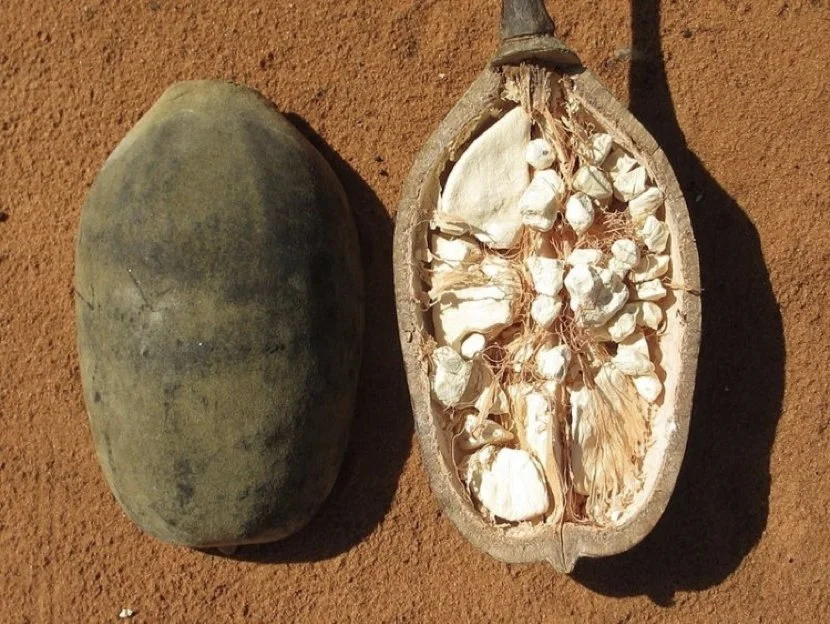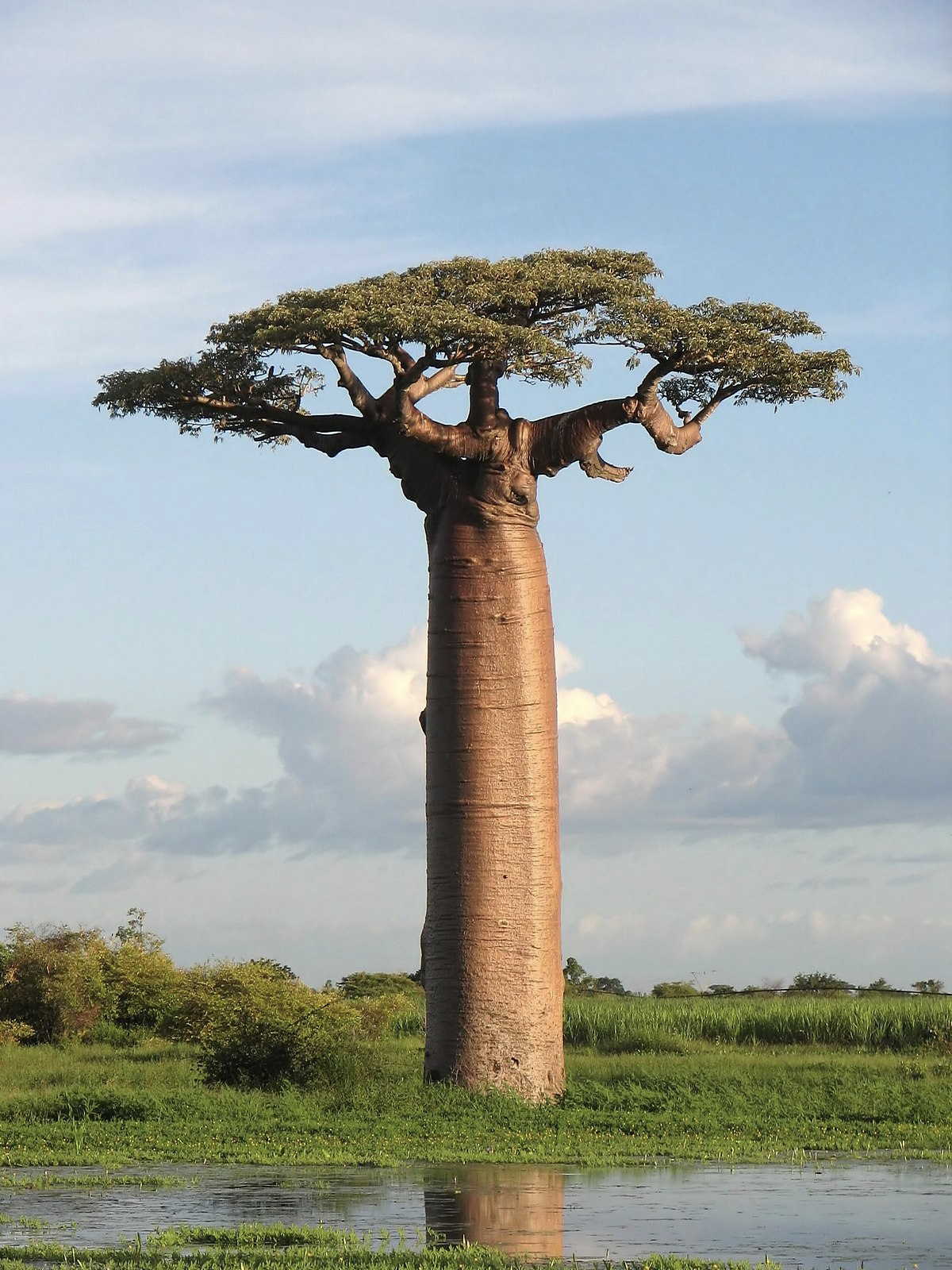
The Baobab Project is a journey to collect stories about the fascinating baobab tree in different African regions. I want to portray this ‘tree of life’ as a metaphor for good ancestry and regenerative thinking. To inspire a purpose driven economy.
I have always wondered why we are taught history in school, and not the future. Or the now. I believe this major lack in how we are educated has huge impact on the way we connect with each other and our planet today.
What can we learn about long-term perspectives from a 2000-year old baobab tree? And what about value, if its first fruits grow only generations after a seed is planted?
Ultimately, what is the economic potential of these fruits – a superfood that lays around as food waste? Can I create a brand that inspires ‘the future’ of business, sustains value for next generations, and supports local communities today?
Why do we learn history in school, and not ‘the future’?
My journey will start in Gambia, West Africa. On 12 October 2008, a little girl called Kumba Lonneke Ceesay was born there with a caesarean section. Under normal circumstances, Kumba’s mother, Fatou, would have delivered in a local clinic in a small town. Both Kumba and Fatou may not have survived. Today, Kumba is a beautiful 14-year old girl. Her life story is connected to the baobab tree.
When Kumba was born, I – Lonneke Craemers from The Netherlands – lived in Gambia to research the role of businesses in poverty alleviation. Fatou and I met on a market and quickly became friends. For her birthday, I gifted Fatou a scan in the national hospital, as Fatou was six months pregnant at the time. The scan concluded that the baby was in a stop position. A caesarean section was life saving for both Fatou and her baby.

Fatou (second left) is pregnant with Kumba, in the kitchen with neighbours and two of her children (Kadi on her knees, Babu in the middle).
In gratitude, Fatou named her daughter Kumba Lonneke. In Gambia, when a baby is named after someone, that someone is called a ‘toma’. Beside the cultural beliefs that are associated with this, the toma also pays for the baby’s school fees. I was happy to do this, but I preferred to invest in a business that would enable Fatou to earn her own income to pay for Kumba’s needs.
The idea was to make juice from local fruits and sell this to tourists. The focus would be on the fruit of one of the most impressive trees in the world: the baobab. But Fatou’s baobab juice business never took off. Without schooling and with small children at home, Fatou needed more support in setting up and running this business than I was able to provide.
For the last 12 years I worked as a business developer for social and environmental change in various other projects over the world. And I paid Kumba’s school fees. The baobab never disappeared as an idea for a new venture. I now feel it is time to further explore the business potential of the baobab fruit to benefit local women and communities.
The baobab tree grows in all of Sub-Saharan Africa. I want to meet Fatou and Kumba again in Gambia, and then follow the baobab to different parts in Africa. Who are the people that are nourished by baobab trees? What are their stories? What is the wisdom of ancient baobab trees that we can take into the future? What is the value of a baobab seed that is planted to grow fruits for future generations? And, what is the business potential of these fruits today? Can I reconnect the baobab to Fatou and Kumba, and their economic empowerment?